
Years ago, I worked with an agency on a pitch for an alcohol brand. We were in Manhattan but the brand was based in a conservative state. The beer was drunk by people who might never travel to Manhattan and, if they did visit Manhattan, they’d probably marvel at it while also scoffing at things that fit the conservative propaganda about how broken Manhattan is because it’s a blue state, not a red state.
This era was before the algorithms had parted us and our families. This era was before the explosion of alpha male content on the Internet. It was the era of early experimentation by conservative think tanks that would publish weird videos on YouTube about how “contemporary art isn’t real art”.
However, it was the era of early political polarization. And the strategists working on this alcohol pitch didn’t identify with the people they needed to sell to. What’s more, they seemed to look down on them because of their political beliefs and their lifestyles.
When we poured through the research about the audience, much of which I had conducted, little comments flew around the room. It was a form of pitch pollution and it suggested that some of the pitch team couldn’t get out of their own way.
Dave McCaughan spent nearly three decades working in strategy in Asia and Australia with McCann. He once said that every strategist who went to China reported the same insight about “Little Emperors” as if nobody had ever thought of it before. Because of the one-child policy, a lot of children in China were treated like Little Emperors, receiving the full attention and doting of their entire families - parents, two sets of grandparents, and more.
When I use the term “outsider insights”, I’m referring to observations that smell more like judgments or condemnations rather than empathy, or they’re simply too obvious and useless. And they can ruin projects and careers. The “Little Emperor” insight is an “outsider insight”. It’s an observation that an outsider had that might not be useful.
One truth many of you might not enjoy is that most of you aren’t in the audiences you’re selling to. If you’re well educated, earning decent money for your country, you have a passport and you travel, you are in a small percentage of people in your country.
Obviously, this doesn’t make your research useless but it can make it shallow because the temptation will be to stop at the first things that seem surprising without having the tools or life experience to go deeper.
For instance, you’re a 22 year old working on a brand that sells to mothers. You’re a 28 year old working on a brand that sells fancy cars to people in their fifties and sixties. You’re a 32 year old selling erectile dysfunction products.
The majority of people in these situations will struggle to truly understand their audiences, which is why people who are exceptional at doing this are so sought after.
The most common comment I hear from CMOs is this: “We have a lot of research, a lot of data, but not much insight.”
And it’s why a pitch for an alcohol brand in a conservative part of the USA might just look too Brooklyn than it should.
Observing worlds you’re not a part of
Here are a few things to keep in mind if you’re trying to understand an audience that is quite different from you:
1. You are not your audience but your own life experiences can matter
It’s useful to think about your own life experiences when it comes to your research. They might lead you to useful hypotheses or give you sharper questions for interviews. Just remember to not make the research about you.
2. Search for things you haven’t heard or seen before but don’t get clingy
If you’re writing a research debrief, you’re right to start by collecting observations that you haven’t heard or seen before. In fact, you’re more powerful sharing one slide with “Five unexpected things we found in our research” than a sixty slide deck with everything you’ve found. The challenge is to share these things in a way that invites discussion because perhaps what you found is obvious to other people.
3. Dig deeper
When you have a list of observations that seem unexpected and useful, give them time to breathe. Ask yourself, “What’s really going on here? What’s causing this behavior?” Try to avoid the obtuse or the obviously academic - for example, try to avoid rolling out Maslow’s hierarchy of needs to look smart (by the way, it’s said that Maslow borrowed a lot of his thinking from the Blackfoot - Siksika - Nation in Canada).
4. Try not to collapse useful observations into useless buckets
You know when you’re a bit junior and you have a bunch of research on the wall and you think you’re getting somewhere interesting then someone more senior comes in, looks at the wall, and tries to collapse your observations into a meaningless bucket and then you copy them for a few years? Don’t do that.
- “Oh, you mean, people want to feel empowered when they buy a house?”
- No, I mean that many people are scared shitless in case they end up buying a house and the cost of it destroys them or they have to sign up for a life they don’t want to live.
Implicit in all of this is that novelty is useful in business and in brand-building. Novelty can help you find new business opportunities and it can help you find new ways of getting people’s attention. Novelty is worth money. But taking observations that aren’t novel and bringing them to life in novel ways is also worth money.
Observations I’ve had in Africa
I’ve been sharing observations about Africa on Instagram and TikTok. For example:
I’ve found myself asking, “Why does everybody’s skin here glow?” Answers include cocoa oil and shea butter. But there’s nothing insightful about this. And, sure, we can connect this behavior to how skin and hair can make people look healthier and more virile and therefore more likely to attract mating opportunities but I’d still want to dig deeper or just dig somewhere else to find something to play with.
I’ve found the money culture in Africa different. What people refer to as “black tax”, girlfriend allowance, provider or sponsor culture, and “send me money” culture are new to me. Some people might point at colonialism as the cause. Others might point to African community dynamics that seem to be falling apart in other countries as the cause. And, yes, someone in the comments will say, “Africa isn’t one country”. All true but not yet an insight and not yet usable.
I’ve repeatedly been surprised by how Kenyans often start a night out by sitting down and appearing composed only for the night to later get crazy. I’ve been told, “Kenyans start slow while Nigerians start fast”. There’s an observation here that borders on an insight but we’d want to dig deeper.
How do we dig deeper? By speaking with people, which is what my Reels linked above try to do.
Being observed in Africa
I’ve spent time in 40+ countries in the past couple of years.
In some countries, I’m told I’m tall or I have a nose bridge or I have double eyelids or I’m told I look like a particular actor that I definitely don’t look like.
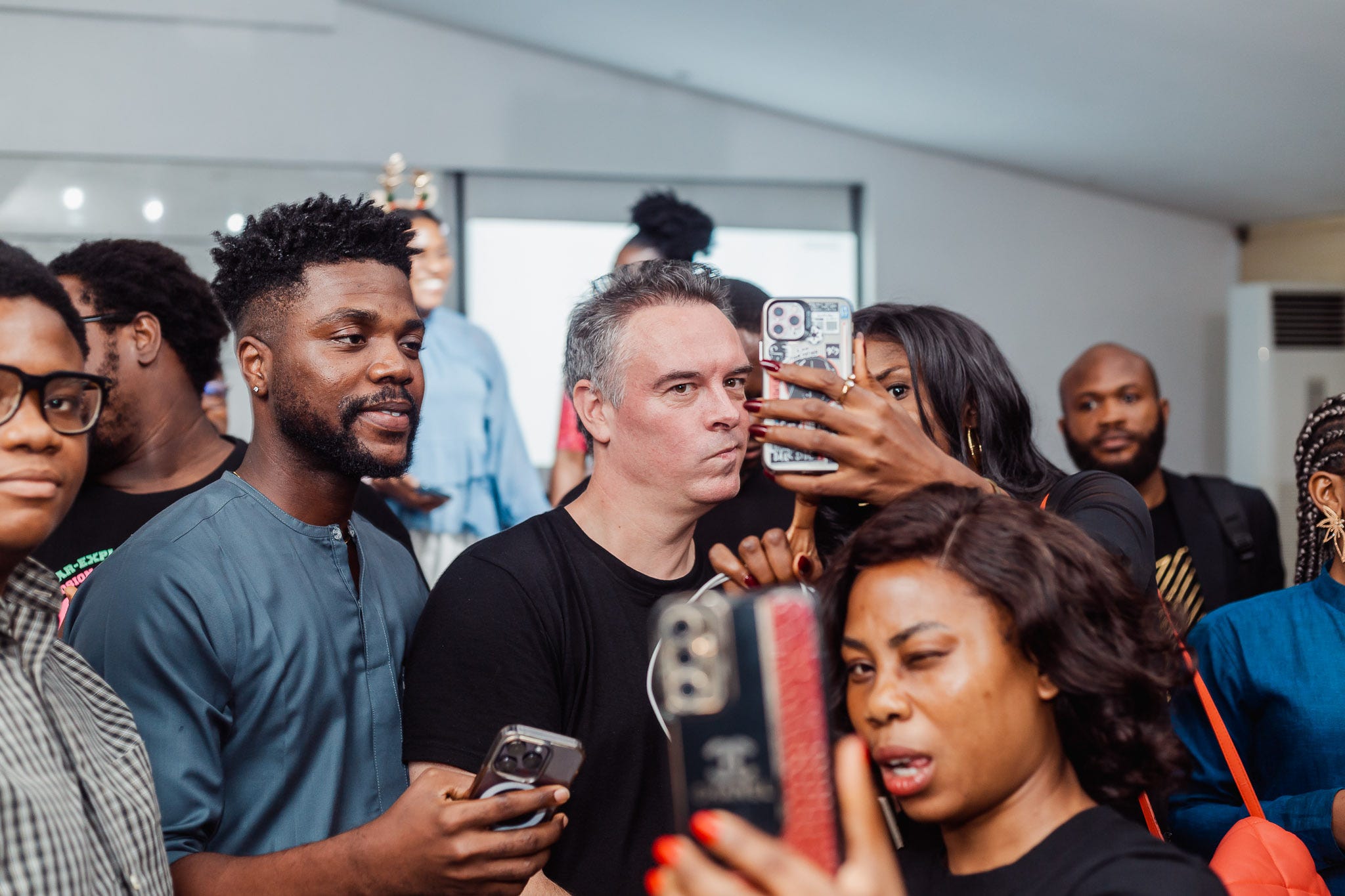
In Kenya, I hear about my white skin which is pink when I’m sunburnt (not “red” which is how I’d describe it), how I don’t dance like popcorn, how my eyes are green (versus hazel), how my hair is soft, and so on.
It’s been interesting because people’s descriptions or labels of me might not fit how I see myself. This doesn’t make them true or false. But, if you’ve ever experienced this, keep it in mind the next time you research a group of people who are different from you. It might help you avoid trying to sell Brooklyn vibes to conservative beer drinkers.
Follow me on Instagram @markpollard.

