

In my teens and 20s, I didn’t feel I belonged in this world. I didn’t like the systems, the conformity, the establishment.
Maybe because I shifted between my parent’s two homes and I was often not at home from a young age, I felt more comfortable roaming Sydney than in rooms I take for granted today.
This caused a lot of internal turbulence. I literally didn’t feel I was built to be here. And I had days when I struggled to want to be here.

I found a home in the underground hip hop scene and I then published a hip hop magazine (Stealth Magazine) and I hosted a radio show (The Mothership Connection).
I also worked in and around advertising from the age of 20.
But, because I didn’t feel I belonged anywhere, I also didn’t think about having a career. I didn’t think I belonged in a career.
At first, I did UX and content strategy. I loved it. I could lose myself in research and thinking. I loved the immediacy of the Internet and the lack of gatekeepers.
At 28, I took a job in which I did 50% of this work and 50% account planning at Leo Burnett.
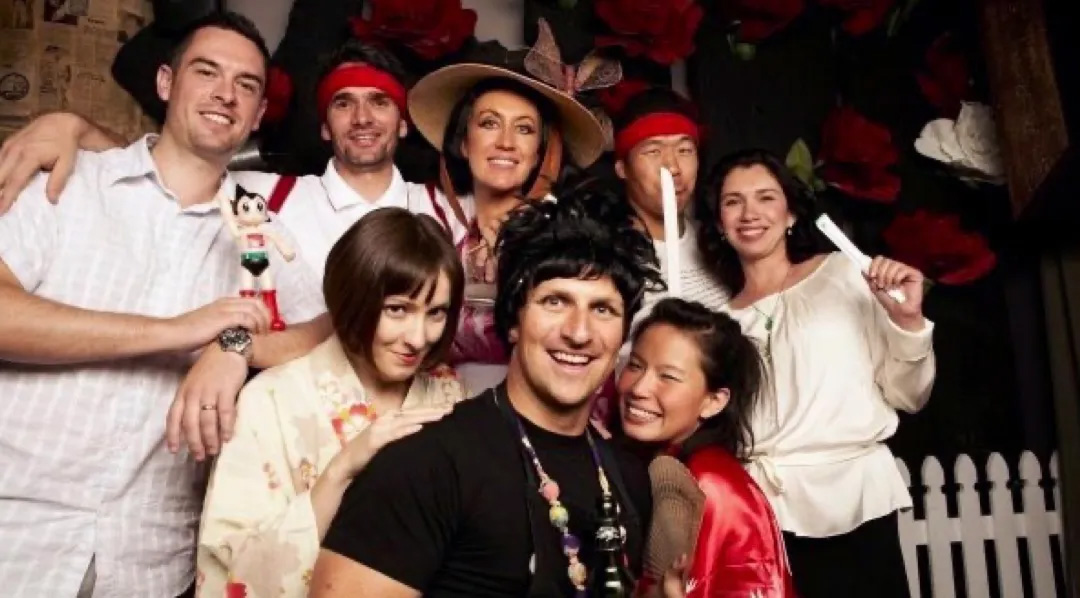
Leo Burnett Sydney was my peak advertising experience. Nearly everyone I worked with has gone onto big things or more meaningful things. You might recognize some of the faces above.
But, in my head, I was still doing hip hop stuff and I happened to have a job.
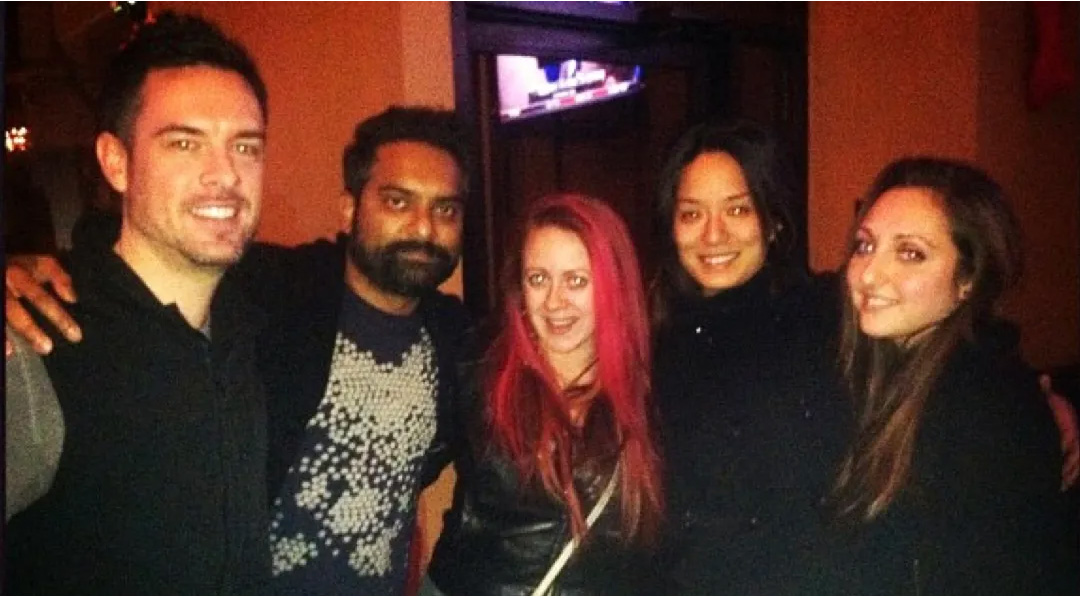
In 2011, I moved to New York to briefly work at Saatchi and Saatchi. This is when I almost saw advertising as a career.
The problem was that the industry was so volatile that it felt self-defeating to fully commit to it. And I was burnt out from working crazy hours in my 20s and with a young family, so I also didn’t spend enough time thinking about what else I could do. I just needed a change.
And a visa.
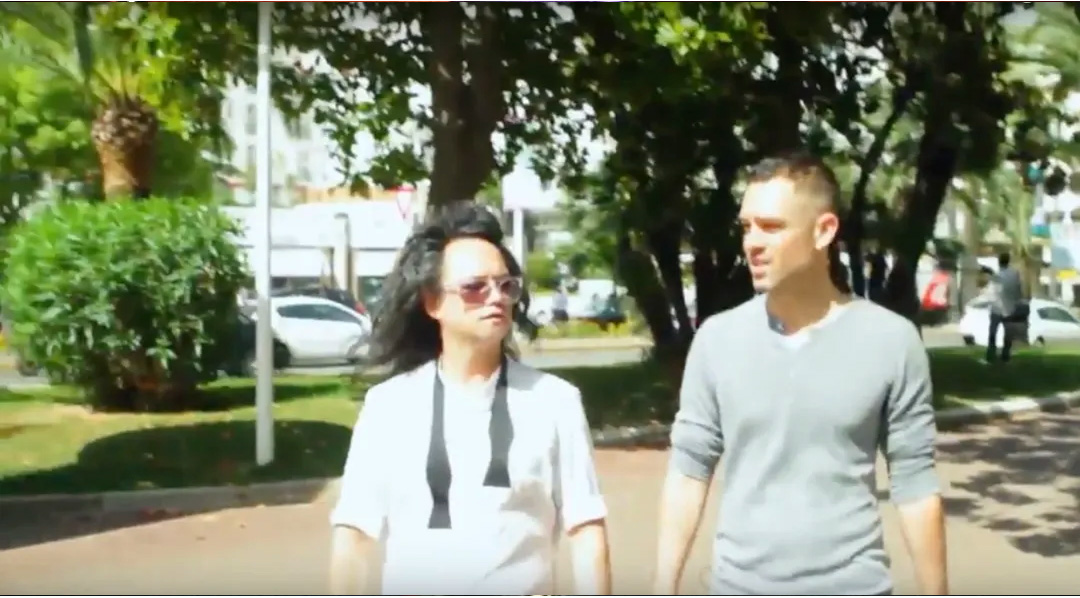
Five years in New York agencies taught me that I am not built to be inside Corporate America.
For years, I had been writing about and teaching strategy and I loved this. But the politics, the lack of creative ambition that I encountered everywhere*, and the exceptionalism that didn’t match the output drove me nuts.
*Except at Big Spaceship
Also, I struggled to build social circles.
I was often the young guy in a management team and parents with kids my kids’ ages were usually 10-20 years older than me, more corporate and conservative.
I didn’t like Corporate America. My social life was barely alive. I was just working.
I felt stuck. I felt trapped.
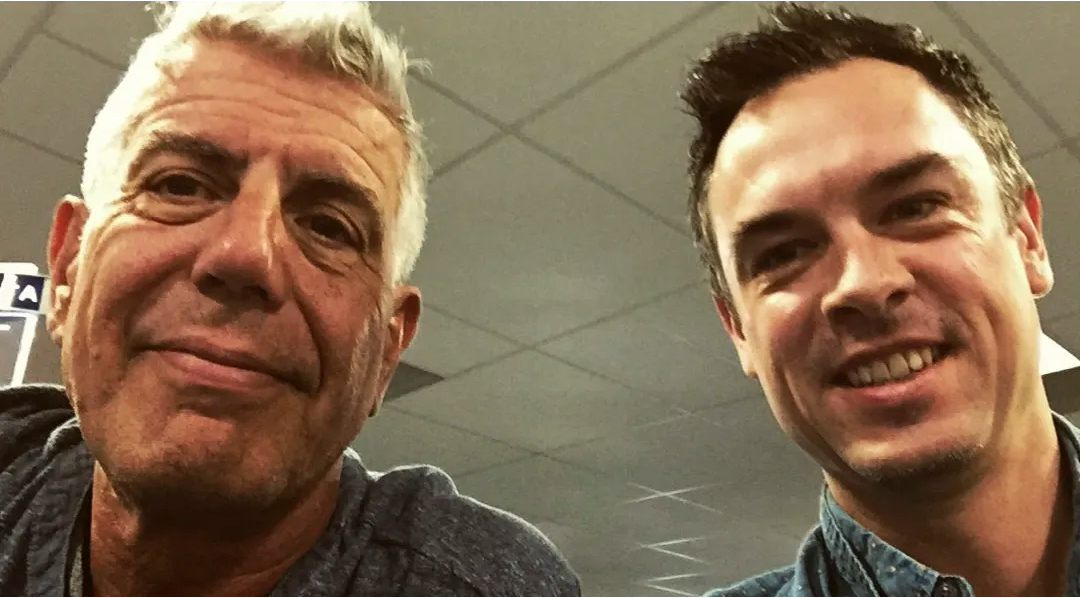
But there were clues - including, yes, from Anthony Bourdain. He showed a path - a more savage voice, adventures, and risk-taking.
Five years into my time in New York, I set up a company. At first, the goal was simple: break even on living in NYC.
Then I thought back to my hip hop days and rebuilt what I used to do in hip hop but in strategy: an online community, a podcast, events, books. Sweathead.
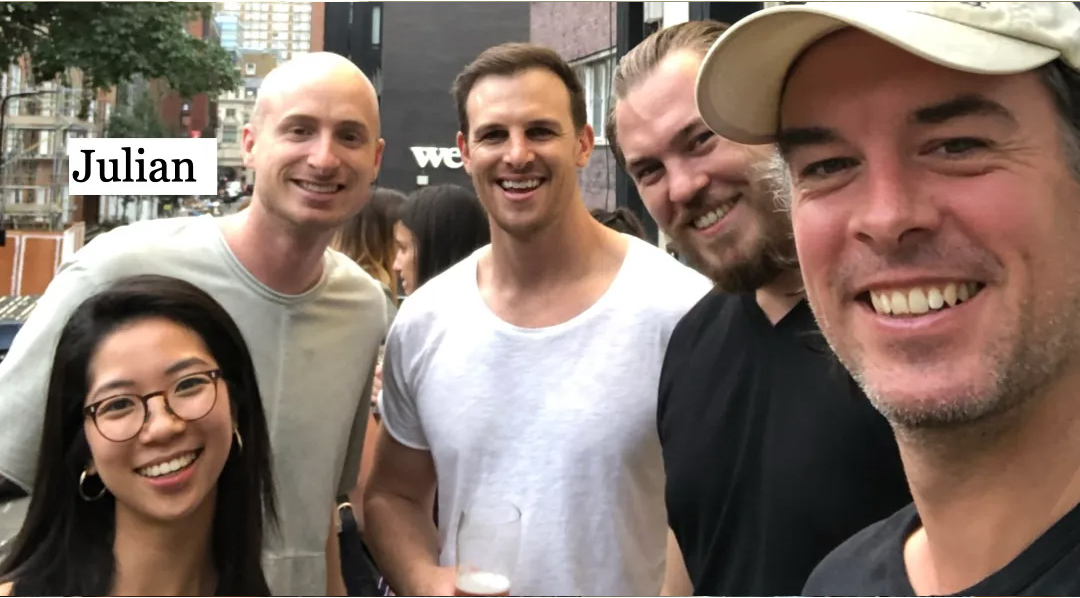
And I hit the road. I taught, I spoke at conferences. And, in 2019, Julian Cole and I did a bunch of events in different countries.
After each event, I found myself having conversations that I didn’t really access in NYC. They filled me with satisfaction, even happiness.
I realized that strategists are my type. But that I have also have a type of strategist.
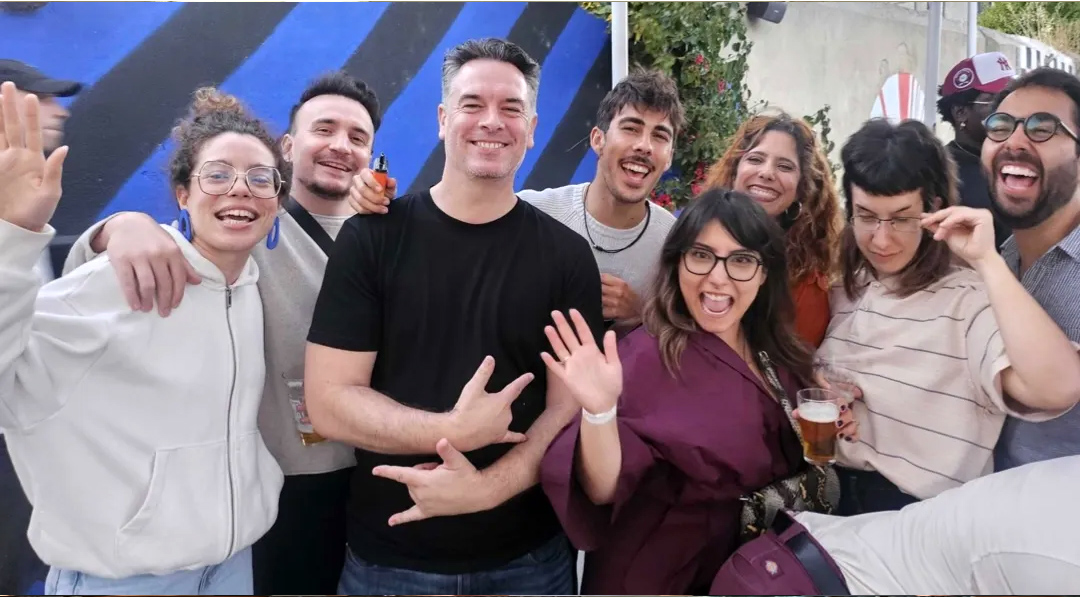
Sure, there isn’t one strategist type.
But, having taught thousands of people in 40+ countries now, here’s the strategist type that lights me up:
1. Strategists are curious
“Curiosity” is an expression of one of the Big 5 Personality Traits.
The traits are:
- Openness - Novelty, variety seeking
- Conscientiousness - Hard-working
- Extraversion - Energy derived externally
- Agreeableness - More Yes or No
- Neuroticism - Prone to dark emotions
Behaviors:
- Has deep interests,
- Has a range of interests,
- Asks questions.
2. Strategists listen
We’ve all worked with dominant personalities but strategists are usually good at slowing down conversations, probing, and waiting for words they can use.
3. Strategists hold space
Interviewing people, hosting workshops, and discussing difficult topics with clients are all examples of this.
4. Strategists can bounce through many disconnected topics
Since strategists tend to be curious and they tend to collect a lot of information and life experiences, they are often able to shift between topics faster than most people.
Yes, this can lead other people to think that they are in the clouds and don’t always make sense.
But, if you’re like this, it’s fun.
5. Strategists don’t always rush to answers
Strategists can handle ambiguity because they’re often looking at problems from many points of view at once.
Sure, the more you do strategy, the faster you can see patterns and appear adamant about solutions, but good strategists are happy to explore different threads without committing to one until they’re ready.
6. Strategists are empaths
In some ways, strategy has become a cool job that people want because, well, it’s cool.
But if a strategist isn’t interested in people, if they aren’t on the side of people, they might struggle in creative circles.
In political and propaganda circles, they might thrive.
7. Strategists can self-doubt
Strategist self-doubt is cute.
Why? It keeps them open to improving, to better questions, and to not becoming dogmatic.
Obviously, I want strategists to be powerful and creative but a little self-doubt is healthy. It keeps people on their toes.
8. Strategists connect dots
Strategy is about finding and creating meaning.
We create meaning by combining at least two topics in a new way.
Strategists are constantly inhaling stimulus - interviews, content, academic research, etc.
Over time, they become good at creating meaning from all of this stimulus.
9. Strategists can have a sense of humor
Humor is cultural and, in some places I travel, everyone is very quiet and serious.
But my strategists can laugh - at the world, at themselves.
If they can’t laugh, I feel they might implode because they are taking everything too seriously.
10. Strategists work hard and smart
Perhaps due to social anxiety, many strategy teams I’ve worked with weren’t the first to the bar on a Friday afternoon to hang with the rest of the agency.
Strategists are often intellectually diligent but they can struggle outside of their work roles.
However, the smart ones are always looking for better ways to work.
Follow me on Instagram @markpollard.

